What an Unpermitted Addition Does to a Home Sale
Converted garages, enclosed patios, added bathrooms, a second structure out back. Plenty of Texas houses carry work that was done without a permit, sometimes decades ago by an owner who has long since moved on. It becomes your problem at closing.
The first issue is simple arithmetic. If a bedroom was added without permits, it likely does not appear in the county records or the tax roll. An appraiser measuring the house will often exclude unpermitted square footage from the valuation, which means you are not being paid for space you are heating and cooling. Buyers and lenders price what is documented.
The second issue is disclosure. Texas requires a written seller's disclosure covering the property's condition and known defects, and it asks about improvements and whether they were made with necessary permits. Answering that you do not know is acceptable if genuinely true. Answering that everything was permitted when you know otherwise is where sellers create liability that outlives the sale.
The third is financing and insurance. A lender's appraiser who spots obviously unpermitted structural or electrical work can require it be corrected before closing. An insurer may decline to cover damage originating in unpermitted work. Neither of those is a certainty, but both are common enough to plan for.
Your options are narrower than they look. Retroactive permitting is possible in many Texas jurisdictions and the process varies by city — you apply, an inspector examines the work, and you correct whatever fails. That can be straightforward for a simple enclosure and very expensive if the work is buried behind finished walls or does not meet current code. The honest answer is that you cannot know the cost until an inspector looks.
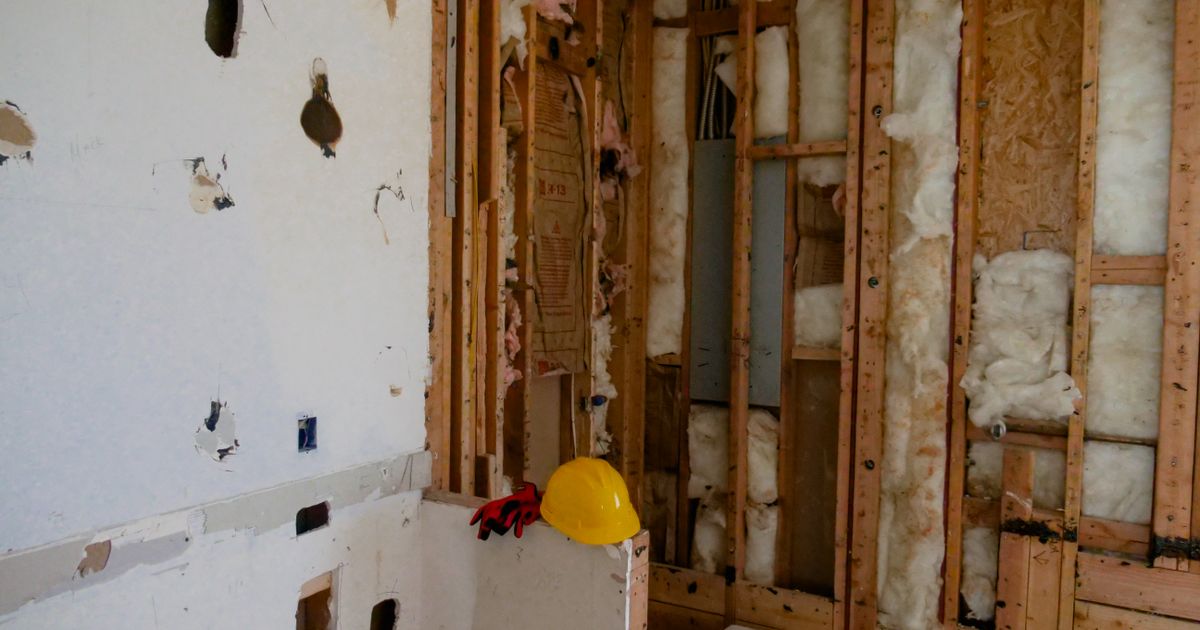
Removing the work is the other route and usually the worse one, since you are paying to destroy something that adds utility.

Selling as it stands, with clear disclosure, is the third. https://www.soundhomebuying.com/cities/hitchcock The price reflects the uncertainty, but you are not funding an open-ended permitting process with no known ceiling. Cash buyers who renovate routinely deal with permitting as part of their own scope, which is why unpermitted work discounts a sale to them far less than it discounts a sale to a retail buyer relying on a lender.
Before deciding, call the permitting office in your city and ask what retroactive approval would involve for your specific situation. It is a free phone call, and the answer varies enough between jurisdictions that general advice is worth very little here.